Why Your Face Stays Red Long After a Workout
Quick Answer: Exercise flushing is your body dumping heat through dilated facial blood vessels, and it normally fades within 10 to 20 minutes. Redness that lingers 45 minutes or longer usually means one of four things: your core temperature is still elevated (the most common), you have reactive or rosacea-prone skin, you trained in heat or humidity, or something else - alcohol the night before, a hot shower, spicy pre-workout food, niacin supplements - stacked on top. Cooling your core, not your face, is what actually shortens it.
The frustrating part is that it has almost nothing to do with fitness level. Very fit people flush hard too - sometimes harder, because they thermoregulate aggressively.
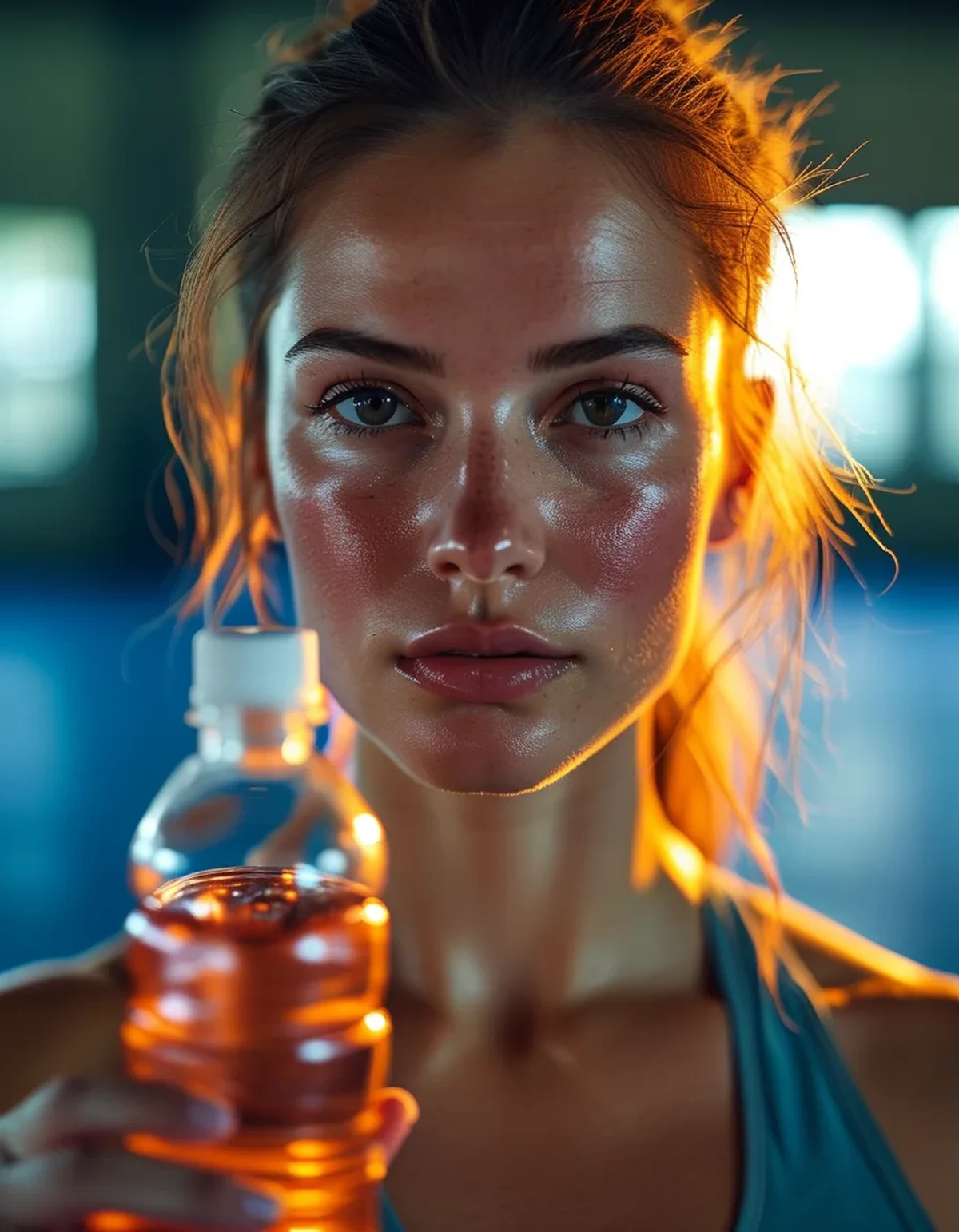
Why does exercise make your face red in the first place?
Because your face is one of the best radiators you own.
Working muscles produce heat, and your body has to dump it. The main route is skin: blood vessels near the surface dilate, warm blood flows close to the skin, and heat radiates out. Your face and neck have a high density of surface capillaries, so they flush most visibly.
Sweat is only half the system. Evaporation carries heat away, but vasodilation is what delivers the heat to the skin in the first place. Both have to work - and in humid air, when evaporation is impaired, vasodilation has to do more of the job, which means more visible redness.
The redness is a working system, not a fault. People who flush quickly and heavily often have very responsive thermoregulation. It is uncomfortable socially and completely unremarkable physiologically.
Skin thickness and vessel density decide how much shows. Fair, thin skin over dense capillaries shows the same blood flow far more than thicker or darker skin does. This is why two people with identical core temperatures can look completely different, and why comparing yourself to the person on the next treadmill tells you nothing.
Cardio flushes more than lifting in most people, because sustained aerobic work raises core temperature higher and holds it there. Heavy lifting produces a sharper, briefer flush tied to blood pressure spikes during effort.
Why does mine last an hour when other people’s fades in ten minutes?
Four reasons, and they stack.
Your core is still hot. This is the big one. Core temperature after a hard session can stay elevated for 30 to 60 minutes, and the flush persists as long as the body is still shedding heat. If you shower hot immediately, you extend it, because you have added heat rather than removed it.
You may have reactive or rosacea-prone skin. In rosacea, facial vessels dilate more easily and are slower to constrict again. Exercise is one of the most common triggers people report. If your face flushes from wine, hot drinks, spicy food, or stress as well, this is worth a conversation with a dermatologist - it is treatable.
Environment prolongs it. Training in a hot studio, in humidity, or outdoors in late-summer sun leaves you starting the cool-down at a higher temperature with less evaporative help. Poor gym ventilation does the same thing.
Something else is stacking on top. Alcohol the night before, a pre-workout containing niacin (which produces its own flush), a heavy caffeine dose, spicy food, or certain medications all dilate vessels independently. Niacin flush in particular gets blamed on the workout constantly.
And hormonal state matters. Flushing is more pronounced in the luteal phase for some people, and hot flushes during perimenopause overlap with exercise flushing in a way that makes both feel worse.

5 Mistakes That Make Post-Workout Redness Worse
1. A hot shower straight after training. This is the most common one and the most counterproductive. Hot water dilates vessels further and adds heat to a body already trying to shed it. Take a warm-to-cool shower, and finish with 30 seconds of cool water on the face and neck.
2. Scrubbing or using an active immediately. Post-training skin is warm, flushed, and has a temporarily compromised barrier. Applying an acid exfoliant, a retinoid, or a scrub while flushed is how people turn a 20-minute flush into a day of irritation. Wait until skin is back to normal temperature, or move actives to non-training evenings.
3. Cooling only your face. Splashing cold water on your cheeks feels like it should work, but the flush is a core temperature problem. Cold on the neck, wrists, and inner forearms cools blood returning to the core and does more, faster, than anything applied to the face.
4. Staying in sweaty clothes in a warm room. Wet fabric against skin in still air slows evaporative cooling. Changing into a dry top and getting into moving air - a fan, outside, a car vent - is genuinely one of the fastest interventions available.
5. Piling on heavy moisturizer to calm it. Occlusive products trap heat at the skin surface. A light, water-based gel or a calming serum with niacinamide does more for redness than a rich cream, which is better saved for later in the evening.
The one that surprises people: rushing straight from the gym to a hot car is often the real reason the flush lasts through the commute.
What actually shortens it?
A cool-down that treats it as a temperature problem rather than a skin problem.
Do not stop abruptly. Five minutes of easy walking or spinning helps clear heat and lets blood pressure and heart rate come down gradually. Sitting down immediately after a hard effort tends to prolong the flush.
Cool the pulse points. A cold bottle or cold damp towel on the back of the neck, inner wrists, and inner elbows cools blood closest to the core. Two or three minutes here is worth ten minutes of face splashing.
Get into moving air and out of wet clothing. A fan, an open window, or simply stepping outside in early-autumn air accelerates evaporation from the skin substantially.
Rinse your face with lukewarm water and pat dry. Removing sweat salt matters - salt left on flushed skin adds irritation - but the water should be cool, not cold enough to shock, and the towel should blot rather than rub.
Then apply something calming and light. Niacinamide, centella (cica), green tea extract, or a plain hydrating gel. Skip actives until the redness has gone.
Time it honestly. If you have a meeting or a school pickup, budget 30 minutes between the end of the session and needing to look composed, and put your cool-down inside that window rather than after it.
FAQ: Post-Workout Redness Questions, Answered
Is a very red face during exercise dangerous?
On its own, no - it is normal thermoregulation. Redness combined with dizziness, nausea, headache, confusion, or a sudden stop in sweating is different and can indicate heat illness; stop, cool down, and get help if those appear.
Does flushing mean I am unfit?
No. It correlates with skin type, vessel density, and how responsive your cooling system is - not with fitness. Very well-trained people often flush earlier because they start dissipating heat sooner.
Could this be rosacea?
Possibly, if you also flush from heat, alcohol, spicy food, or stress, if the redness persists between episodes, or if you see visible small vessels or bumps. Rosacea is common, frequently missed, and responds well to treatment, so it is worth asking a professional.
Does pre-workout cause it?
Often, yes. Many formulas contain niacin, which causes a distinctive tingling flush of its own, and high caffeine doses add vasodilation. Try a session without pre-workout and compare - the difference is usually obvious.
This is general information, not medical advice. Persistent facial redness, or redness with other symptoms, is worth reviewing with a professional.
TL;DR:
- Exercise flushing is heat dumping through dilated facial vessels - normal, and unrelated to fitness level.
- Redness lasting 45+ minutes usually means core temperature is still elevated, plus reactive skin, heat, or a stacked trigger like alcohol or niacin.
- Cool the neck, wrists, and forearms rather than the face; skip the hot shower and get into moving air.
- No actives or scrubs on flushed skin - use niacinamide or cica and wait until temperature normalizes.
The single change with the biggest payoff is the shower temperature, because almost everyone gets that one exactly backwards. If you flush from wine and hot drinks as well as workouts, though, treat that as information worth taking to a dermatologist rather than a quirk to manage forever.
Keep Reading
This article is for general informational and styling purposes only. Fit, sizing, and product availability may vary.