How Much Bacteria Is Really on Gym Equipment (and What It Means for Your Skin)
Quick Answer: Gym equipment surfaces do carry measurably more bacteria than average household surfaces, largely from skin contact and sweat, but most of it isn’t harmful to healthy skin. The real skin risks are folliculitis and fungal infections from shared mats and benches — wiping equipment before and after use and showering promptly after training addresses most of it.
Gym equipment gets a bad reputation, and studies on gym surface bacteria back up that it’s genuinely higher-traffic for germs than a lot of everyday surfaces. The skin-specific risk, though, is narrower and more manageable than the general ‘gyms are gross’ framing suggests.

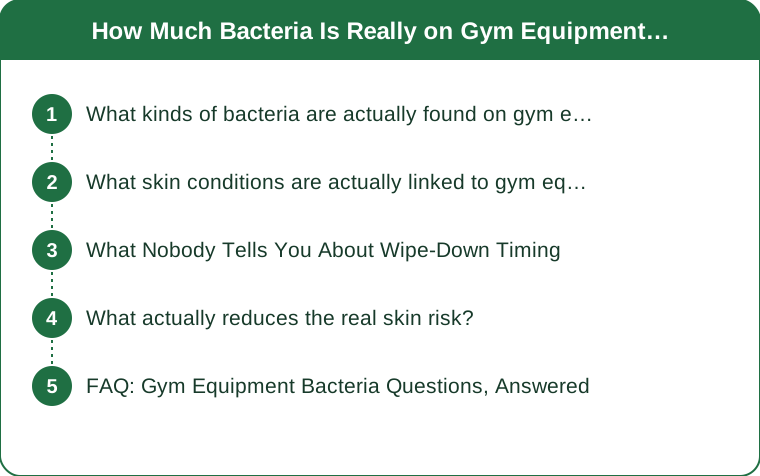
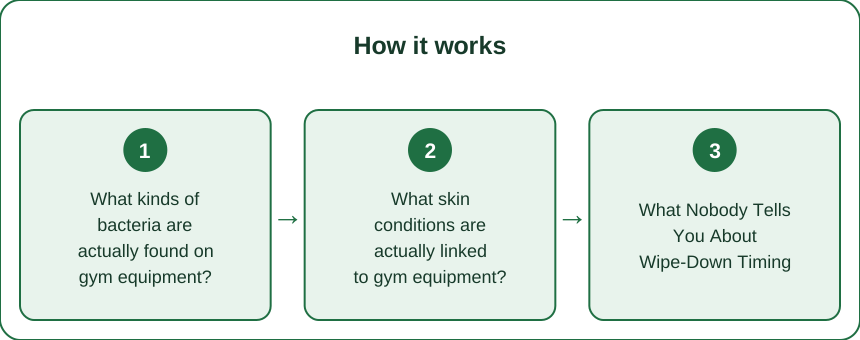
What kinds of bacteria are actually found on gym equipment?
Studies swabbing gym equipment commonly find staph bacteria, including some antibiotic-resistant strains, along with general skin-flora bacteria on high-touch surfaces like dumbbells, mats, and machine handles.
Most of this is not dangerous to intact, healthy skin — the concern rises specifically with broken skin (cuts, shaving nicks, active acne) providing an entry point, or with shared surfaces that stay damp, like mats and benches after a sweaty session.
What skin conditions are actually linked to gym equipment?
Folliculitis (inflamed, sometimes pus-filled bumps around hair follicles) is one of the more commonly reported gym-surface-linked skin issues, often from bacteria on unwiped benches or mats contacting skin during a workout.
Fungal infections like ringworm can also spread through shared mats and equipment, particularly in warm, damp conditions like a locker room floor or a shared yoga mat.

What Nobody Tells You About Wipe-Down Timing
Most people wipe equipment before using it out of courtesy for others, but wiping it down immediately after your own use matters just as much for your own skin — sweat left on a bench or handle for the next 10-15 minutes before the next person’s wipe-down is exactly the window where bacteria transfer is highest.
Wiping both before and after use, rather than just one or the other, meaningfully reduces the actual bacterial load you’re contacting.
What actually reduces the real skin risk?
- Wipe equipment before and after your own use, not just one or the other
- Bring your own mat for floor work rather than relying on shared studio mats
- Shower reasonably soon after training, especially before touching your face or any broken skin
- Cover cuts or shaving nicks with a bandage before a workout to reduce entry points
FAQ: Gym Equipment Bacteria Questions, Answered
Is gym equipment actually dirtier than a public doorknob?
Some studies have found comparable or higher bacterial counts on gym equipment than common public surfaces, largely due to sweat and skin contact frequency.
Do gym-provided sanitizing wipes actually work?
Yes, when used consistently and allowed a moment of contact time — the issue is usually inconsistent use, not the wipes themselves being ineffective.
Is a rash after gym use always from equipment bacteria?
Not always — friction, sweat irritation, and product reactions can look similar. If a rash persists beyond a few days or worsens, it’s worth having a dermatologist check it rather than assuming it’s purely equipment-related.
TL;DR:
- Gym equipment does carry more bacteria than many everyday surfaces, mostly from skin contact and sweat
- Folliculitis and fungal infections are the main skin-specific risks, not general illness
- Wiping down equipment both before and after your own use matters more than most people realize
- Bringing your own mat and showering soon after training closes most of the remaining gap
The risk is real but narrow — a consistent wipe-down habit handles almost all of it.
Keep Reading
This article is for general informational and styling purposes only. Fit, sizing, and product availability may vary.