Chlorine Wrecking Your Skin After Swim Workouts? Here's the Actual Damage and Fix
Quick Answer: Chlorine strips your skin’s natural oil barrier and disrupts its pH, which is why post-swim skin feels tight, dry, or itchy. Rinsing within 5 minutes of exiting the pool and applying a barrier-repair moisturizer while skin is still damp reverses most of the damage.
You finish laps feeling great, and twenty minutes later your skin is tight, flaky, and maybe a little itchy at the elbows and behind the knees. That’s not just ‘dry skin’ — it’s a specific, fixable reaction to chlorine’s effect on your skin barrier.
What is chlorine actually doing to your skin?
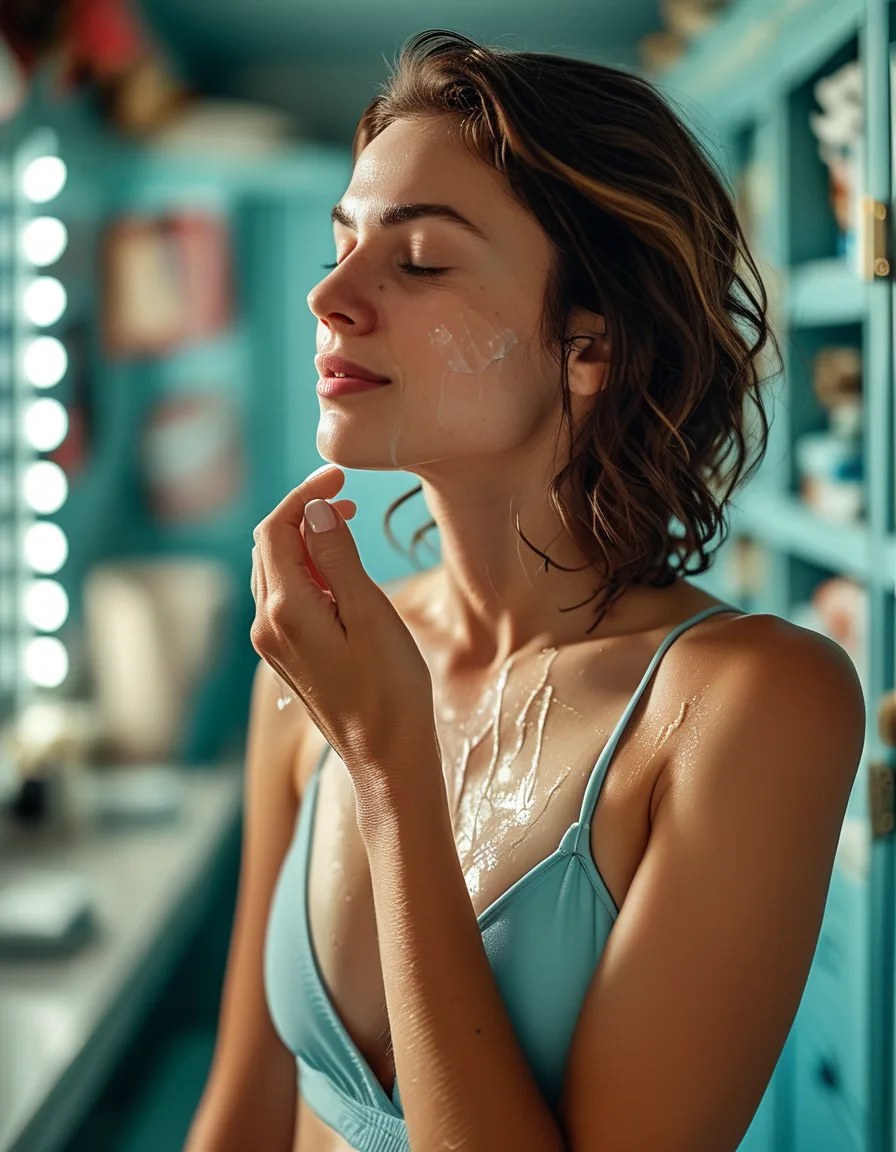
Chlorine is a disinfectant that doesn’t distinguish between pool bacteria and your skin’s natural oil barrier (sebum). Regular exposure strips that protective layer, which normally locks in moisture and keeps irritants out.
On top of that, chlorinated water is typically more alkaline than your skin’s natural pH (skin sits around 4.5-5.5), and that mismatch further disrupts the barrier — which is why frequent swimmers often deal with more sensitivity and dryness than other athletes.
Why does the damage feel worse in specific spots like elbows and knees?
Skin is naturally thinner and has fewer oil glands in these areas, so they had less barrier protection to begin with. Chlorine exposure hits already-vulnerable spots hardest, which is why flaking and itching often shows up there first and worst, even when your whole body was submerged equally.
What Nobody Tells You About Pool Skin Damage
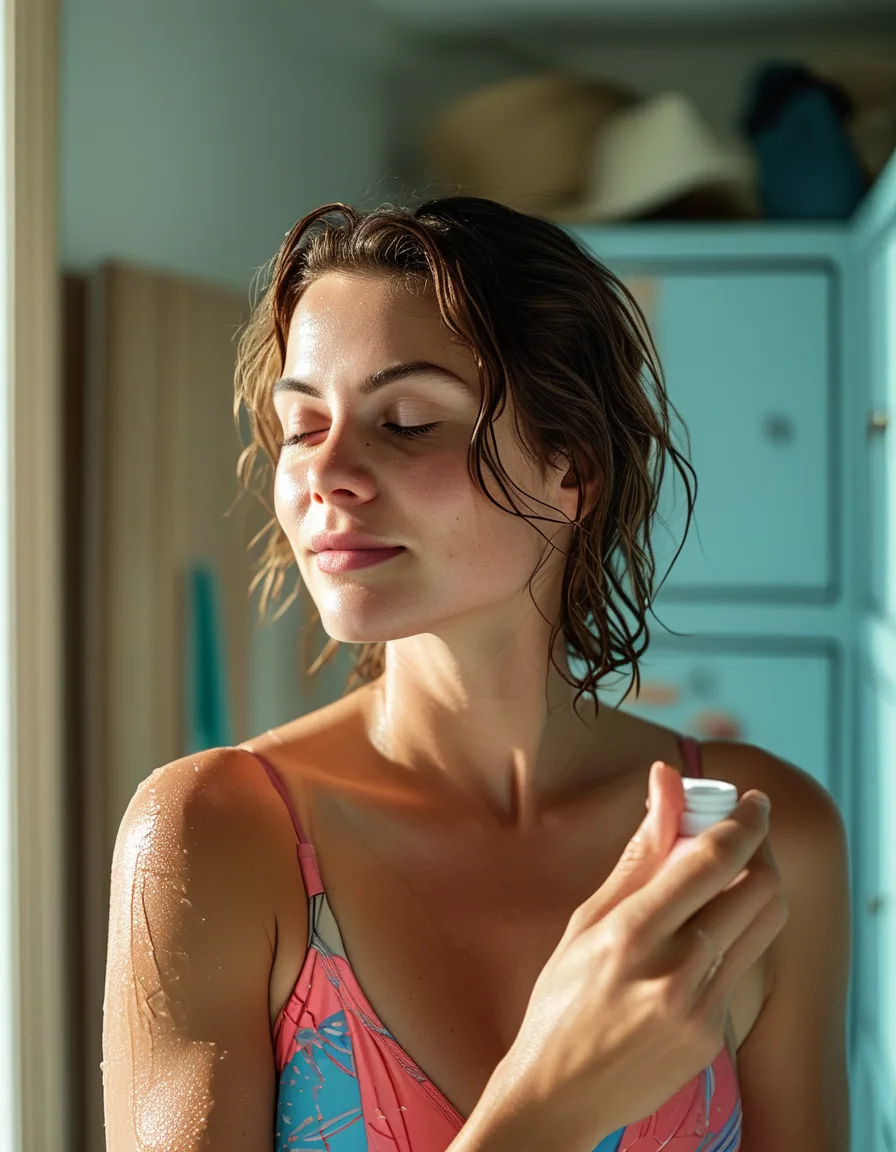
Here’s the counterintuitive part: showering with hot water right after swimming makes it worse, not better. Hot water strips additional oil on top of what chlorine already removed, compounding the damage in the exact window you’re trying to fix it.
A lukewarm rinse — even though it feels less satisfying after a cold pool — actually preserves more of your barrier while still removing chlorine residue.
What’s the actual post-swim skin routine that works?
- Rinse within 5 minutes of exiting — chlorine residue continues reacting with skin the longer it sits, even after you’ve toweled off
- Use lukewarm water, not hot, for that rinse and your subsequent shower
- Apply a barrier-repair moisturizer (ceramide or squalane-based) while skin is still slightly damp — this traps water in rather than moisturizing on top of already-dry skin
- Skip harsh, foaming body wash right after swimming — a gentle, fragrance-light cleanser is enough; you’re not that dirty, you’re chlorine-stripped
FAQ: Chlorine and Skin Questions, Answered
Does a pre-swim shower actually help protect skin?
Yes — wetting skin with plain water before entering the pool means it absorbs less chlorinated water afterward, since skin can only hold so much moisture at once.
Is chlorine skin damage permanent?
No, for the vast majority of people it’s a barrier disruption, not lasting damage — consistent post-swim care restores it within days to a couple weeks of regular exposure.
Should frequent swimmers see a dermatologist about it?
If dryness turns into persistent redness, cracking, or eczema-like patches despite a good routine, that’s worth a professional look rather than pushing through with more moisturizer alone.
TL;DR:
- Chlorine strips your skin’s oil barrier and clashes with its natural pH, causing the tight, dry, itchy post-swim feeling
- Thin-skinned areas like elbows and knees show damage first because they had less barrier to begin with
- Rinse within 5 minutes using lukewarm (not hot) water — hot water compounds the stripping
- Apply a ceramide or squalane moisturizer while still damp to lock in what’s left
The fix is less about products and more about timing — rinse fast, rinse cool, moisturize damp.
Keep Reading
This article is for general informational and styling purposes only. Fit, sizing, and product availability may vary.